
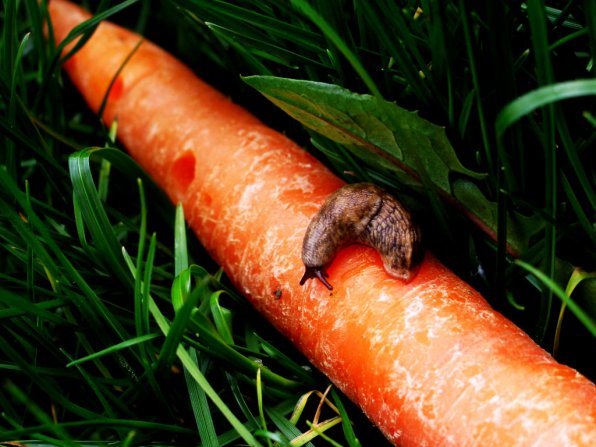
It's an unavoidable gardening truth that you'll never be alone in your garden. No matter how tranquil your garden sanctuary feels, you share the space with countless organisms. Many are on your side, working to create healthy plants, but expect a few that are there to eat what you've worked so hard to grow.
June is a great time, now that the work of sowing seeds and setting out transplants is mostly done, to establish good habits in the garden that will serve you well when unwelcome visitors arrive. These are a few quick tips I've gleaned from meetings of the Capital City Organic Gardeners, a group that meet monthly during the growing season and grows advice faster than a woodchuck mows down a tender bed of lettuce.
Keep a clean garden.
Don't unwittingly create habitat for pests. Keeping a tidy, well weeded garden makes it easier for you to see what's going on, and removing debris prevents hiding places for fungal spores and insect eggs. Just a couple of inches of mulch will be enough to keep the weeds down without creating the wet, dark environment that slugs love.
If you do find evidence of slugs (slime trails or gaping holes in leaves), you can try the time-honored trick of enticing them with a shallow dish or can filled with beer and set into the soil. Or, head out at night with a flashlight and pick them off. Yes, they're gross.
Inspect daily and pick your battles.
Take a walk through your garden every day – in the early morning, if you can – and look at each plant carefully. If your cucumbers, squashes or potatoes have fallen prey to slower moving insects like the Colorado potato beetle or the cucumber beetle, it's time to pick. You're faster than they are, so grab a small container of soapy water and pick off any offenders that you find. Next, pinch off any diseased or unhealthy leaves, tuck them into a bag and dispose of the bag in the trash, not your compost pile, to avoid spreading disease next year. Wash your hands before heading back to the garden.
Grow healthy soil.
Healthy soil grows healthy plants, and healthy plants are more resistant to insects and diseases. Keep feeding that compost pile and nurturing your soil with plenty of top dressing throughout the growing season. Building soil rich in microorganisms and welcoming to earthworms is the best thing you can do for your garden. As with our own health, prevention is the best medicine!
Learn to share and befriend the good guys.
Not all insects exist to munch on your garden; some actually eat the bugs that do attack your garden. Some visitors, like the parsleyworm, a caterpillar that later morphs into the beautiful swallowtail butterfly, may convince you to share a little of your harvest. You can have your parsley and eat it too simply by planting a few extra plants to share with the parsleyworm. Close observation will tell you if insects you see are harmful or helpful. Keep in mind that using chemical sprays to kill garden pests also kills beneficial insects and compromises the long-term health of your garden as a whole.
Cover up.
If you encountered a problem with airborne assault last year, it's a good idea to cover up with floating row cover early in the season. It will give your seedlings a bit of protection while keeping flying pests out. Be careful not to trap pests underneath! It may be a little late to try this trick this summer but, if you buy some now, you can protect your fall garden from frost and you'll be ahead of the game for next spring.
Look below the surface.
When you're faced with a plant that's not thriving, but you're not seeing any obvious culprit, turn the leaves over and have a look! Many pests either hang out or lay eggs under the plant's leaves or do their munching under cover. In the case of the squash vine borer, an infamous pest responsible for suddenly wilting squash plants, you'll find a telltale trail of poop where they've burrowed into the vine.
You might have already missed your chance for this year (or not, if you're up for surgery to find the caterpillar), but you'll have learned a valuable lesson that inspecting underneath those leaves is important. If you'd looked a few weeks ago, you'd have noticed little eggs along the main stem at the base of the plant.
Rotate your crops.
Even if your garden bed is as small as the bed you sleep in, try to shake things up every year. Many insects overwinter in the soil, so why provide a direct route to next year's meal? If you have more space, look into a more formal crop rotation plan. Crop rotation helps prevent nutrient depletion and keeps insect pests and diseases from setting up camp in any one spot. Keep 'em guessing
Buy a good reference book.
Support your local independent bookstore by perusing the garden section and picking up a good reference. My favorite is still Rodale's Garden Problem Solver, by Jeff Ball, but there are many. The internet is an abundant source of garden advice. The Capital City Organic Gardeners website, right here in town, is a great place to start: ccognh.wordpress.com.
Make friends with gardeners.
The best gardening advice comes from your gardening neighbors. Not only do they tend to know stuff, but they're likely to be dealing with the same challenges you face, at precisely the time that you're facing them. Community groups like the Capital City Organic Gardeners bring knowledgeable gardeners together with beginners, and information flows.
Eleanor Baron serves on the Board of the Capital City Organic Gardens and gardens in Concord, on the sandy pine barrens soil of the Heights. To learn more about vegetable gardening in Concord, visit ccognh.wordpress.com. Join other gardeners for a permaculture program on June 20 at 6.30 p.m. at the Grace Episcopal Church in East Concord.